How to Choose the Best Digital Marketing Company for Your Business
In today’s interconnected world, a strong online presence isn’t just an advantage; it’s a necessity for businesses of all sizes. From startups to established corporations, the ability to reach and engage target audiences online can be the difference between stagnation and explosive growth. This is where digital marketing comes in, a dynamic and ever-evolving field encompassing a range of strategies designed to promote products and services. However, for many businesses, managing these strategies internally is often challenging. This is where the expertise of a digital marketing company becomes invaluable. But with a sea of agencies vying for attention, how do you identify the best one for your unique needs?
The global digital marketing market is projected to reach \$1,072.70 billion by 2025, growing at a CAGR of 13.8% from 2021 to 2025, according to Statista. This staggering figure underscores the immense importance and investment poured into online promotion. Choosing the right partner can significantly amplify your return on investment, drive qualified leads, and build lasting brand loyalty. Conversely, a misstep can lead to wasted resources and missed opportunities. This comprehensive guide will equip you with the knowledge and criteria to confidently select the best digital marketing company to propel your business forward.
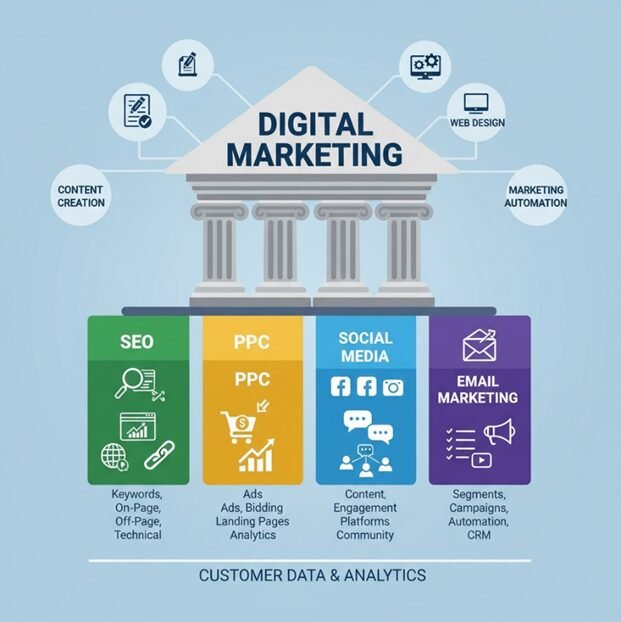
Understanding the Pillars of Digital Marketing
Before diving into company selection, it’s crucial to have a foundational understanding of the core components of a robust digital marketing strategy. A top-tier digital marketing company will excel in several or all of these areas:
Search Engine Optimization (SEO)
SEO is the process of optimizing your website and online content to rank higher in search engine results pages (SERPs) like Google. The higher you rank, the more visible your business is to potential customers actively searching for your products or services. Effective SEO involves:
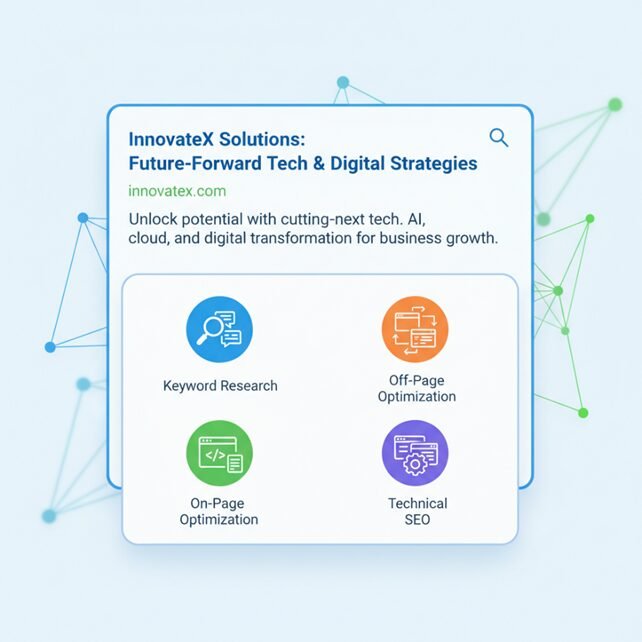
- Keyword Research: Identifying the terms and phrases your target audience uses.
- On-Page Optimization: Improving elements on your website, such as content, meta descriptions, and image alt text.
- Off-Page Optimization: Building authority and trust through backlinks from reputable websites and social signals.
- Technical SEO: Ensuring your website is crawlable, indexable, and user-friendly for search engines.
A study by BrightEdge found that organic search drives 53% of all website traffic, highlighting SEO’s critical role.
Pay-Per-Click (PPC) Advertising
PPC advertising, most notably Google Ads, allows businesses to place targeted ads on search engine results pages and other websites. You pay a fee each time your ad is clicked, making it a performance-driven advertising model. Key aspects include:
- Campaign Management: Setting up, monitoring, and optimizing ad campaigns for maximum efficiency.
- Ad Copywriting: Crafting compelling ad text that encourages clicks.
- Bid Management: Strategically bidding on keywords to control ad placement and cost.
- Landing Page Optimization: Ensuring the page users land on after clicking an ad is relevant and encourages conversion.
According to WordStream, the average Google Ads conversion rate across industries is around 4.40%.
Content Marketing
Content marketing involves creating and distributing valuable, relevant, and consistent content to attract and retain a clearly defined audience. This can include blog posts, articles, videos, infographics, podcasts, and more. The goal is to establish your brand as a thought leader and build trust. Effective content marketing:
- Drives Organic Traffic: High-quality content ranks well in search engines.
- Engages Audiences: Provides value beyond just selling a product.
- Generates Leads: Encourages sign-ups and inquiries.
- Builds Brand Authority: Positions your business as an expert.
Content Marketing Institute research consistently shows that companies using content marketing experience higher engagement and better conversion rates.
Social Media Marketing
Social media marketing leverages platforms like Facebook, Instagram, LinkedIn, Twitter, and TikTok to connect with audiences, build brand awareness, drive traffic, and generate sales. This involves:
- Platform Strategy: Identifying the most relevant platforms for your target audience.
- Content Creation and Curation: Developing engaging posts and sharing relevant third-party content.
- Community Management: Interacting with followers, responding to comments, and fostering a community.
- Social Media Advertising: Running targeted ad campaigns on social platforms.
The sheer reach of social media is undeniable; as of early 2023, over 4.76 billion people worldwide use social media, representing approximately 59.4% of the global population, according to DataReportal.
Email Marketing
Email marketing remains a highly effective channel for nurturing leads, engaging existing customers, and driving repeat business. It involves sending targeted emails to a list of subscribers. Key elements include:
- List Building: Acquiring email addresses ethically and effectively.
- Segmentation: Dividing your email list into smaller groups based on demographics, interests, or behavior.
- Campaign Automation: Using tools to send emails automatically based on triggers.
- Performance Tracking: Analyzing open rates, click-through rates, and conversions.
Research by Litmus indicates that for every \$1 spent on email marketing, the average return is \$36.
Other Crucial Areas
In addition to these core disciplines, the best digital marketing companies also offer expertise in:
- Conversion Rate Optimization (CRO): Improving your website’s ability to convert visitors into customers.
- Web Design and Development: Creating user-friendly, aesthetically pleasing, and functional websites.
- Analytics and Reporting: Tracking performance, identifying trends, and providing actionable insights.
- Marketing Automation: Implementing tools to streamline marketing tasks and personalize customer journeys.
- E-commerce marketing: which involves strategies specifically tailored for online stores.
Key Criteria for Choosing the Right Marketing Agency
With a clearer understanding of the digital marketing landscape, let’s delve into the critical factors that will guide your selection process:
1. Define Your Goals and Objectives
Before you even start researching agencies, you need to have a clear understanding of what you want to achieve. Are you looking to:
- Increase website traffic?
- Generate more qualified leads?
- Boost online sales?
- Improve brand awareness?
- Enhance customer engagement?
- Launch a new product or service?
Your objectives will dictate the type of services you need and help you evaluate which agency is best equipped to meet those specific needs. A company that specializes in lead generation might not be the best fit if your primary goal is e-commerce sales.
2. Industry Experience and Specialization
Does the agency have experience working with businesses in your industry? While generalists can be effective, an agency with a proven track record in your specific niche will likely have a deeper understanding of your target audience, competitive landscape, and industry-specific challenges. They’ll already know which channels are most effective and what messaging resonates best.
- Look for Case Studies: Review their portfolio and case studies. Do they showcase successful campaigns for businesses similar to yours?
- Ask About Their Understanding: During initial consultations, gauge their familiarity with your industry.
3. Proven Track Record and Results
This is arguably the most important factor. A reputable digital marketing company will have demonstrable success stories.
- Case Studies and Testimonials: Look for detailed case studies that outline the client’s challenge, the agency’s strategy, and the measurable results achieved. Testimonials from satisfied clients provide social proof.
- Data-Driven Approach: The best agencies are not just creative; they are analytical. They should be able to articulate how they track performance and measure ROI. Ask about the Key Performance Indicators (KPIs) they focus on.
- Transparency in Reporting: How often will you receive reports? What metrics will be included? A good agency will provide clear, concise, and regular reports that demonstrate progress.
4. Services Offered
Ensure the agency offers the specific services you require. Some agencies are full-service, providing a comprehensive suite of digital marketing solutions, while others specialize in one or two areas.
- Full-Service vs. Specialist: If you need a holistic strategy, a full-service agency might be ideal. If you have specific needs, like only SEO or PPC, a specialist might be more cost-effective and offer deeper expertise.
- Integrated Approach: The best digital marketing strategies are integrated. Look for an agency that understands how different channels work together to achieve overarching goals.
5. Team Expertise and Culture
The people behind the strategies are crucial.
- Team Composition: Who will be working on your account? What are their qualifications and experience levels?
- Communication Style: How does the agency communicate with clients? Are they responsive? Do they have a dedicated account manager for you?
- Cultural Fit: You’ll be working closely with this agency. Ensure their values and working style align with yours.
6. Technology and Tools
The digital marketing landscape is heavily reliant on technology.
- Tools They Use: What analytics, SEO, social media management, and marketing automation tools do they leverage? Do they use industry-standard, reputable software?
- Adaptability: The digital world changes rapidly. Does the agency demonstrate a commitment to staying updated with the latest trends, algorithms, and technologies?
7. Pricing and Value
Digital marketing services can represent a significant investment. It’s essential to understand the pricing structure and ensure you’re getting good value for your money.
- Clear Pricing Models: Agencies typically offer various pricing models:
Retainer-based: A fixed monthly fee for ongoing services. Project-based: A fixed fee for a specific project. Performance-based: Fees tied to specific results (less common for comprehensive strategies). Hourly: Billing based on time spent.
- Understand What’s Included: Ensure you know exactly what services are covered by the price.
- Focus on ROI, Not Just Cost: The cheapest option isn’t always the best. Consider the potential return on investment the agency can deliver. A higher upfront cost might be justified if it leads to significantly better results.
8. Client Testimonials and Reviews
Beyond the case studies provided by the agency, seek out independent reviews and testimonials.
- Online Review Sites: Check platforms like Google Reviews, Clutch, G2, and industry-specific forums.
- Ask for References: A confident agency will be happy to provide references from current or past clients.
9. Scalability
As your business grows, your digital marketing needs will likely evolve. Choose an agency that can scale its services to accommodate your future growth. Can they handle larger budgets, more complex campaigns, or expansion into new markets?
10. Communication and Transparency
Effective communication is the bedrock of a successful client-agency relationship.
- Regular Updates: How often will you receive updates? Will there be regular strategy meetings?
- Accessibility: Is it easy to reach your account manager or relevant team members when you have questions or concerns?
- Honesty: A good agency will be transparent about challenges and setbacks, not just successes. They should be willing to explain why something is happening and what the plan is to address it.
How to Choose and Hire a Digital Marketing Agency
Once you’ve shortlisted potential agencies, the engagement process typically involves several steps:
Initial Research and Outreach
- Identify Potential Candidates: Use online searches, industry directories, and recommendations to find agencies.
- Review Websites and Portfolios: Assess their services, client base, and case studies.
- Initial Contact: Reach out via their website’s contact form or a direct email. Be prepared to briefly outline your business and objectives.
Discovery Call or Meeting
- Discuss Your Needs: This is your opportunity to elaborate on your goals, challenges, and budget.
- Agency Presentation: The agency will likely present their capabilities, approach, and how they can help you.
- Ask Questions: Prepare a list of questions based on the factors outlined above. Don’t hesitate to ask for clarification.
Proposal and Quote
- Detailed Proposal: If the agency believes they are a good fit, they will present a formal proposal outlining:
Their understanding of your objectives. The proposed strategy and tactics. The scope of work. Timelines. Pricing and payment terms. Key performance indicators (KPIs).
- Review Carefully: Scrutinize the proposal for clarity, completeness, and alignment with your expectations.
Contract and Onboarding
- Contract Review: Once you’ve selected an agency, carefully review the contract. Pay attention to terms of service, termination clauses, and intellectual property rights.
- Onboarding Process: The agency will guide you through the onboarding process, which typically involves gathering access to your website, analytics, social media accounts, and other relevant platforms. They will also likely conduct a deeper dive into your business and target audience.
Strategy Development and Execution
- Collaborative Strategy: The agency will work with you to finalize the digital marketing strategy.
- Campaign Launch: They will begin executing the agreed-upon tactics.
- Ongoing Communication and Reporting: Regular communication and performance reports will be established.
Common Pitfalls to Avoid
When choosing a digital marketing company, be wary of:
- Guarantees of #1 Rankings: No reputable agency can guarantee specific search engine rankings, as algorithms are complex and constantly changing. Focus on sustainable growth and relevant traffic.
- Lack of Transparency: Agencies that are vague about their methods, reporting, or pricing should be avoided.
- Cookie-Cutter Solutions: Every business is unique. Be cautious of agencies that offer one-size-fits-all packages without understanding your specific needs.
- Poor Communication: If an agency is slow to respond or difficult to communicate with during the sales process, it’s likely to be a recurring issue.
- Focus Solely on Vanity Metrics: While likes and followers can be nice, they don’t always translate to business results. Focus on metrics that impact your bottom line, such as leads, sales, and customer acquisition cost.
How Digital Marketing Agencies Will Shape the Future
The digital marketing landscape is in constant flux, driven by technological advancements, evolving consumer behavior, and algorithm updates. Agencies that thrive are those that embrace innovation and continuously adapt. Some emerging trends include:
- Artificial Intelligence (AI) in Marketing: AI is being used for everything from content creation and personalization to predictive analytics and chatbots.
- Voice Search Optimization: As smart speakers become more prevalent, optimizing content for voice search is becoming increasingly important.
- Video Marketing: Video content continues to dominate online engagement.
- Personalization: Consumers expect tailored experiences. Advanced personalization strategies are key.
- Data Privacy: With increasing regulations like GDPR and CCPA, ethical data handling and privacy-centric marketing are paramount.
Your chosen digital marketing company should not only be proficient in current strategies but also forward-thinking, anticipating future trends and preparing your business accordingly.
Conclusion: Investing in Your Digital Future
Selecting the best digital marketing company is a strategic decision that can profoundly impact your business’s growth and success. It requires careful consideration of your goals, thorough research into potential partners, and a clear understanding of what constitutes effective digital marketing. By focusing on an agency’s expertise, proven track record, transparency, and cultural fit, you can find a partner who will not only execute campaigns but also become an extension of your team, driving measurable results and helping you navigate the complexities of the digital world. Remember, the right agency is an investment in your business’s future, empowering you to connect with your audience, achieve your objectives, and thrive in the competitive online marketplace.
Frequently Asked Questions (FAQs)
Q1: How much does a digital marketing company typically cost?
A1: The cost varies significantly based on the agency’s size, location, expertise, and the scope of services required. Pricing models can include monthly retainers, project-based fees, or hourly rates. A small business might invest a few hundred dollars a month for basic services, while larger corporations could spend tens of thousands or more for comprehensive, multi-channel strategies. It’s crucial to get a detailed quote tailored to your specific needs.
Q2: How long does it take to see results from digital marketing efforts?
A2: The timeline for seeing results depends heavily on the strategies employed and the industry. SEO, for instance, is a long-term strategy that can take several months (3-6 months or more) to show significant improvements in rankings and organic traffic. PPC advertising can yield results much faster, often within days or weeks of campaign launch. Content marketing and social media efforts build momentum over time. A good agency will set realistic expectations for results.
Q3: What is the difference between a digital marketing company and an advertising agency?
A3: While there’s overlap, traditional advertising agencies often focus on broader brand campaigns across various media (TV, radio, print, digital). Digital marketing companies specialize specifically in online channels and strategies, such as SEO, PPC, social media marketing, content marketing, and email marketing. Many modern agencies now offer both traditional and digital services, but a dedicated digital marketing company will have deeper expertise in the online realm.
Q4: Can I do digital marketing myself instead of hiring a company?
A4: Yes, you can do digital marketing yourself, especially for basic tasks. However, effective digital marketing requires specialized knowledge, time, and continuous learning. Mastering SEO algorithms, managing complex PPC campaigns, creating compelling content, and analyzing data can be incredibly time-consuming and challenging for business owners. Hiring a professional company allows you to leverage their expertise, save time, and often achieve better results, leading to a higher ROI.
Q5: What information should I prepare before contacting a digital marketing company?
A5: Before reaching out, have a clear understanding of your business goals (e.g., increase leads by 20%, boost online sales by 15%), your target audience, your current marketing efforts, your budget range, and any specific challenges you’re facing. Having this information readily available will help the agency understand your needs better and provide a more accurate and tailored proposal.
Q6: So, how do I know if a digital marketing company is the right fit for my business?”
A6: A good fit is determined by several factors: their understanding of your industry and goals, their proposed strategy aligns with your objectives, their communication style is compatible with yours, their pricing offers good value and ROI potential, and you feel confident in their expertise and track record based on case studies and testimonials. Trust your gut feeling after initial consultations.